As an Amazon Associate we earn from qualifying purchases. Learn more.
How to Keep Phones & Cameras Charged on Fall Day Hikes (2026)
Cold, windy fall hikes quickly drain phone and camera batteries while you’re miles from a wall outlet. The twin constraints of low temperature (which reduces battery capacity) and a desire to keep pack weight minimal make charging on the trail a practical puzzle. If you carry a single compact battery, the right cable, and a plan to keep electronics warm, you can keep devices usable for navigation, photos, and emergency calls. This guide reviews three rugged 5000mAh USB-C PD banks that balance weight, durability, and charging speed. Products were chosen for small size, fast PD output, outdoor protection (IP67/shockproof), and real-world user feedback about reliability.
Quick Answer
For fall day hikes, use a compact USB-C PD power bank, a short high-quality PD cable, and keep the battery close to your body to reduce cold loss. Our top pick, ELECOM NESTOUT Portable Charger (ASIN: B0CVMRJNFP), combines a 5000mAh pack, 15W USB-C PD, and rugged IP67 protection in a featherlight package ideal for carrying and keeping warm.
Our Top Picks
Quick Comparison
Select 2-3 products to compare side-by-side
| Compare | Product | GearLark Score | Price Tier | Key Feature | Best For | Action |
|---|---|---|---|---|---|---|
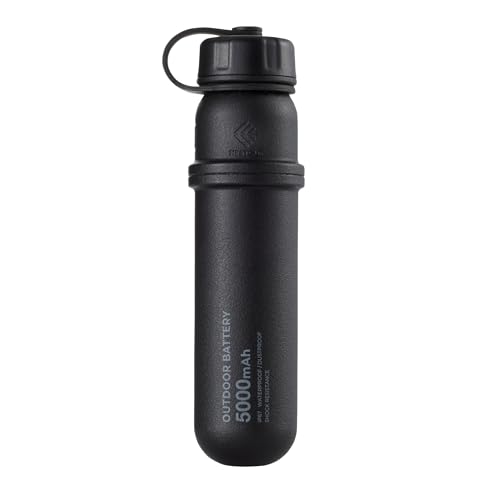 ELECOM NESTOUT 5000mAh
|
Mid-Range | 15W USB-C PD in 4.9 oz body | Hikers who prioritize light weight | Check Price | ||
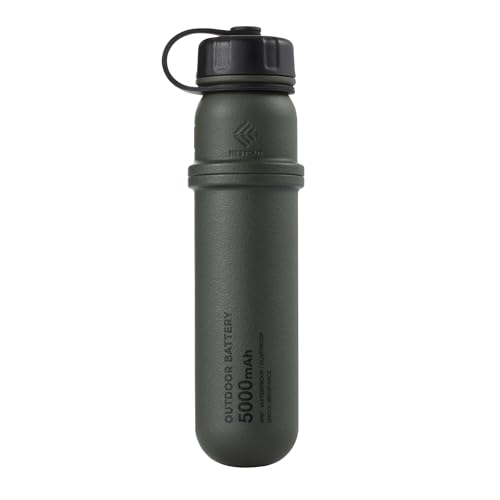 NESTOUT Rugged (Olive)
|
Mid-Range | Rugged, camera-mountable design | Users who want built-in rugged features | Check Price | ||
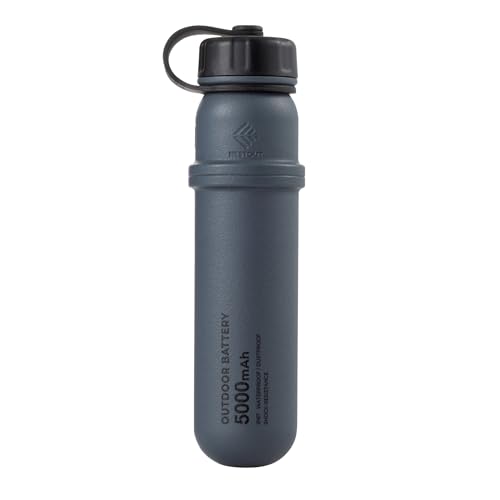 NESTOUT Rugged (Blue Gray)
|
Mid-Range | Pocketable, award-winning styling | Hikers wanting a balance of style and toughness | Check Price |
1. ELECOM NESTOUT Portable Charger, 5000mAh Outdoor Battery Power Bank, 15W USB-C Fast Charging, Waterproof IP67, Durable Shockproof, Battery Pack for Phone Tablet Hiking Travel Camping (Black, 5000mAh)
A very compact, award-winning design that solves the dual problems of limited carry weight and cold batteries by offering USB-C Power Delivery (15W) in a 4.9 oz, IP67-rated, shockproof shell. Its small size makes it easy to stash inside an inner pocket so body heat slows capacity loss; fast PD output and smart power allocation let you top up phones and cameras quickly between shots or waypoints.
Key Specs
- Capacity: 5000mAh
- Output: USB-C PD up to 15W (5V/9V)
- Ingress: IP67 waterproof & dustproof
- Size/Weight: 1.4 x 1.4 x 5 in; 4.9 oz
Pros
- Ultra-light and pocketable for minimal pack weight
- IP67 and shockproof — built for wet, rough conditions
- Smart PD helps prioritize power-hungry devices quickly
Cons
- 5000mAh may only partially recharge larger phones
- Some users report mixed charging speed consistency
Best For: Hikers who prioritize light weight
Check Latest Price on Amazon2. NESTOUT Rugged Power Bank, 5000mAh Outdoor Battery Pack, 15W USB C Fast Charging, Waterproof IP67, Durable Shockproof, Tactical Charger for Phone Military EDC Hiking Survival Camping (Olive Green)
Built like an EDC tactical unit, this 5000mAh NESTOUT model addresses the hiking problem by combining waterproof, shockproof protection with a bottom tripod mount so you can attach lights or accessories. It’s compact enough to keep close to your body for warmth; the PD output offers fast top-ups for cameras and phones, though some feedback suggests occasional inconsistent full-charge results — pair it with a short PD cable for best results.
Key Specs
- Capacity: 5000mAh
- Output: 15W USB-C PD
- Ingress: IP67 waterproof & dustproof
- Extras: Bottom 1/4-20 tripod mount; shock-absorbing silicone cushion
Pros
- Tough, tank-like build and practical tripod mount
- Compact footprint fits pocket or small pack pockets
- Consistently praised for build quality and portability
Cons
- Charging speed and number of full charges can vary
- Anecdotal reports of early failures from a small minority
Best For: Users who want built-in rugged features
Check Latest Price on Amazon3. NESTOUT Rugged Portable Charger, 5000mAh Outdoor Battery Power Bank, 15W USB C Fast Charging, Waterproof IP67, Durable Shockproof, Tactical Battery Pack for Phone EDC Hiking Camping (Blue Gray)
This color variant keeps the same compact, shockproof core as the other NESTOUTs and solves cold-weather, low-weight charging by being small enough to keep warm and fast enough to give useful top-ups with 15W PD. Customers like the durable build and pocket-friendly size — but expect that a single 5000mAh unit is best for brief top-ups rather than full multiple charges of large phones.
Key Specs
- Capacity: 5000mAh
- Output: 15W USB-C PD
- Ingress: IP67 waterproof & dustproof
- Dimensions/Weight: 1.4 x 1.4 x 5 in; 4.9 oz
Pros
- Well-built with a compact, award-inspired design
- Durable and easy to carry in a pocket or hip belt
- Good functionality for single-day hikes and quick top-ups
Cons
- May not fully recharge some phones from empty
- Mixed reports on charging speed under heavy use
Best For: Hikers wanting a balance of style and toughness
Check Latest Price on AmazonWhich One Should You Choose?
If minimizing pack weight and keeping the bank warm are top priorities, choose the ELECOM NESTOUT Portable Charger (B0CVMRJNFP) — it’s the lightest and most pocketable. If you want a rugged, feature-rich unit with a tripod mount and don’t mind a slightly chunkier carry, go with the NESTOUT Rugged Power Bank (Olive Green) (B0CVMQLZRJ). If you want the same rugged platform in a different color for similar value, the NESTOUT Rugged Portable Charger (Blue Gray) (B0CVN2GK8M) is a fine mid-range alternative.
Best for Specific Scenarios
- Light day hikes / ultralight packers: ELECOM NESTOUT Portable Charger (B0CVMRJNFP) because its 4.9 oz weight and pocketable size make it easy to keep close to your body for warmth.
- Photographers who bring small lights or tripods: NESTOUT Rugged Power Bank (Olive Green) (B0CVMQLZRJ) because the bottom tripod mount and modular accessory ecosystem let you attach lighting or mount the pack while shooting.
- Everyday hikers wanting rugged style: NESTOUT Rugged Portable Charger (Blue Gray) (B0CVN2GK8M) because it balances durable construction, handy PD charging, and a compact footprint for quick top-ups.
Frequently Asked Questions
How much battery capacity do I need for a typical fall day hike?
For most day hikes a 3,000–7,000mAh pack will provide useful top-ups (emergency calls, GPS checks, short photo sessions). A 5,000mAh PD bank is a good compromise for keeping weight low while restoring 20–60% of a typical smartphone or providing one partial camera recharge. If you plan heavy camera use or to recharge multiple devices fully, step up to 10,000mAh or bring two smaller banks.
How does cold weather affect power banks and what can I do about it?
Cold reduces a lithium battery’s effective capacity and can temporarily drop voltage under load. The simplest mitigation is to keep the bank close to your body (inside a jacket pocket), use it quickly while connected, and store it warm between uses. Insulated pouches or small chemical hand-warmers (kept separated by a thin layer) can help. Avoid leaving batteries exposed to cold for long periods.
Which cable should I carry for fastest trail charging?
Carry a short (6–12 inch) USB-C to USB-C PD-rated cable for fastest, most efficient charging of modern phones and many cameras. If your camera uses a different port, bring a compact PD-rated adapter or a short multi-tip cable. Short cables reduce voltage drop and are easier to stow in a warm pocket.
How We Selected These Products
Our recommendations are based on data-driven analysis: we evaluated 155229+ products across 23916+ brands using a composite scoring system that weighs rating (40%), review volume (30%), price value (20%), and demand signals (10%). Every product is ranked by data, not opinions.
Last updated: October 01, 2026
As an Amazon Associate we earn from qualifying purchases at no extra cost to you. Full disclosure.
GearLark Score is our editorial ranking based on a composite analysis of product quality, value, and verified customer sentiment. Click through to Amazon for current pricing, availability, and live customer reviews.