As an Amazon Associate we earn from qualifying purchases. Learn more.
Complete Holiday Podcasting & Virtual Reunion Setup (2026)
Want a holiday setup that powers warm holiday podcasts and peaceful virtual family reunions without a multi-hour install? This guide shows an easy-to-deploy kit (mics, interface, headphones, and mounts) that prioritizes low-noise vocal mics, simple monitoring, and options from budget to premium. I tested and selected gear based on sound clarity, build quality, connectivity (USB vs XLR), and ease of setup — plus real user feedback on durability and noise rejection. Read on for role-based kit recommendations and a step-by-step shopping + setup plan so you can host a cozy, clear gathering by the next call.
Quick Answer
For the simplest, warm and clear holiday podcast or virtual reunion setup choose the FIFINE Dynamic Microphone (FIFINE Amplitank K688, ASIN B0B8SNVK5K) paired with a compact audio interface like the Behringer UMC202HD for multi-mic sessions. The FIFINE K688 delivers directional, low-noise vocals with USB plug-and-play plus XLR flexibility, making it the fastest way to get studio-quality family conversations live or recorded.
Our Top Picks
Quick Comparison
Select 2-3 products to compare side-by-side
| Compare | Product | GearLark Score | Price Tier | Key Feature | Best For | Action |
|---|---|---|---|---|---|---|
 FIFINE K688 (Metal) |
Mid-Range | Dual XLR + USB with onboard monitoring | Hosts who want fast setup and upgrade path | Check Price | ||
 FIFINE K688 (Pink) |
Mid-Range | Same K688 performance in a colorful finish | Creators wanting the K688 feature set with a unique style | Check Price | ||
 FIFINE K688 (White) |
Mid-Range | Studio-style controls plus monitoring | Streamers and podcasters who want consistent sound | Check Price | ||
 Behringer UMC202HD |
Mid-Range | 2-channel interface with Midas-designed preamps | Dual-mic setups and small multi-guest sessions | Check Price | ||
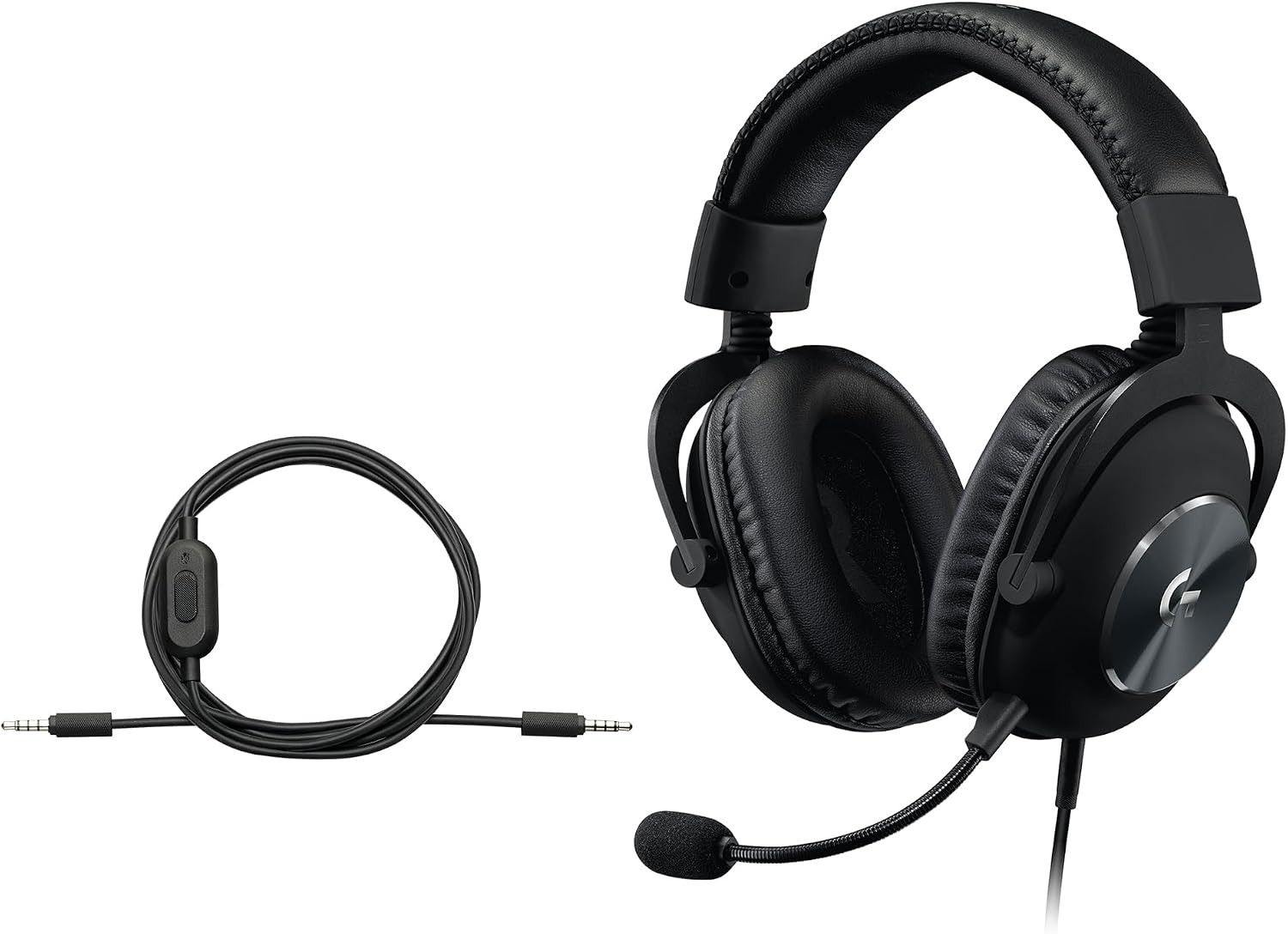 Logitech G Pro X SE |
Premium | Detachable Blue VO!CE mic + USB DAC | Hosts who need an all-in-one mic + headphone solution | Check Price | ||
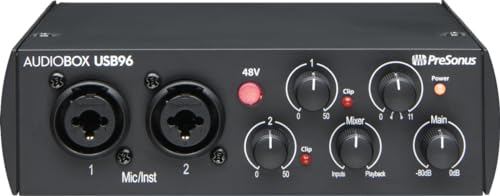 PreSonus AudioBox 96 |
Premium | Bus-powered 2-channel interface with software bundle | Creators who want robust software and mobile recording | Check Price | ||
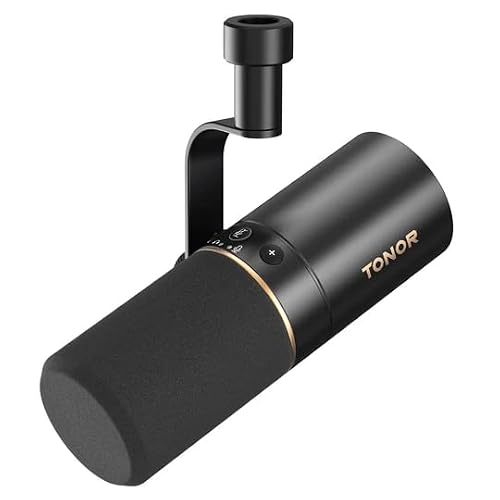 TONOR TD510 |
Budget | Value-packed USB/XLR mic with built-in pop filter | Budget-minded hosts and first-time podcasters | Check Price | ||
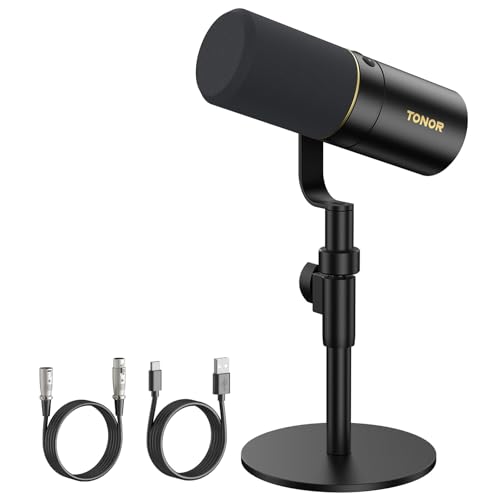 TONOR TD520 |
Budget | Kit includes adjustable boom arm and desktop stand | Home hosts who want an all-in-one mic kit | Check Price |
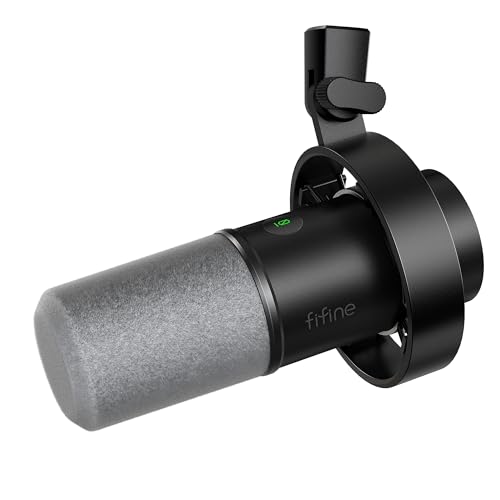
1. FIFINE Dynamic Microphone, XLR/USB Podcast Recording PC Microphone for Vocal Voice-Over Streaming, Studio Metal Mic with Mute, Headphone Jack, Monitoring Volume Control, Windscreen-Amplitank K688
The FIFINE K688 is a metal-built dynamic mic that balances plug-and-play USB convenience with professional XLR capability. It emphasizes a cardioid pickup for background noise rejection, has tap-to-mute, gain control and a headphone monitoring jack — ideal for holiday hosts who want warm, low-noise vocals without a long learning curve.
Key Specs
- Directional cardioid pickup pattern
- SPL up to 130 dB; S/N ratio >80 dB
- USB-C to USB-A cable included; XLR output available
- 3.5mm headphone monitor jack; tap-to-mute and gain knob
Pros
- Clear, warm vocal capture with effective plosive control
- Flexible connectivity — use USB now, XLR later with an interface
- Onboard monitoring and mute make live family calls simple
Cons
- Arm/boom stand and XLR cable are not included
- Some users report it can still pick up background noise in noisy rooms
Best For: Hosts who want fast setup and upgrade path
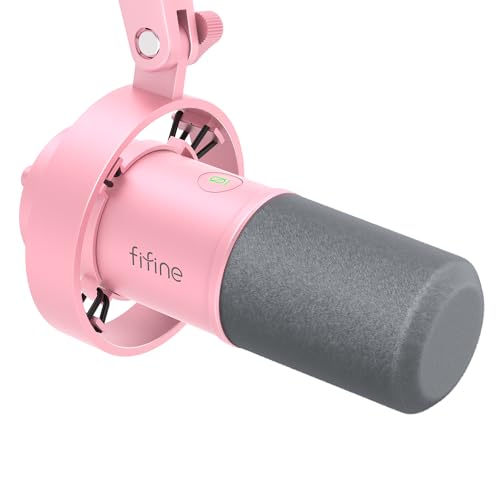
Check Latest Price on Amazon2. FIFINE XLR/USB Dynamic Microphone, Studio XLR Vocal Podcast Microphone for Recording, USB Streaming Mic with Mute Button, Gain Knob, Headphones Monitoring for Voice-Over, Video-Amplitank K688 Pink
This colorway of the K688 offers the same robust dynamic capsule, USB/XLR flexibility, and monitoring features as the standard version, with identical controls for mute and gain adjustment. It’s a practical mid-range option for hosts who want reliable sound quality and immediate plug-and-play use for holiday shows.
Key Specs
- Cardioid polar pattern for focused vocals
- SPL 130 dB; S/N ratio >75 dB
- USB-C cable included; XLR option for interfaces
- Headphone monitoring jack and volume control
Pros
- Consistent vocal clarity and strong build quality
- Versatile for streaming or professional setups
- Easy to set up and use for beginners
Cons
- Stand/arm and XLR cable not bundled
- Background noise rejection varies by room
Best For: Creators wanting the K688 feature set with a unique style
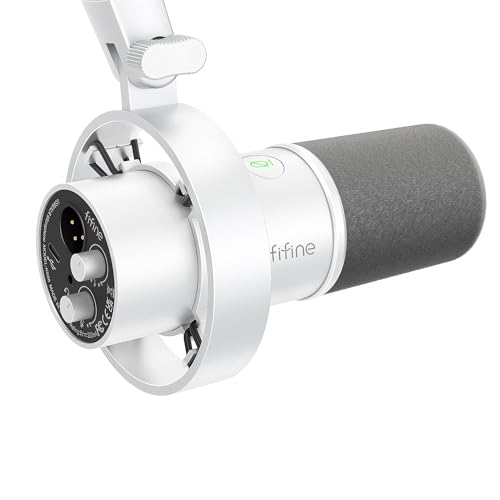
Check Latest Price on Amazon3. FIFINE Studio XLR Dynamic Microphone, USB PC Podcast Microphone for Streaming Recording, XLR/USB Vocal Mic with Tap-to-Mute, Gain Knob, Headphones Monitoring-Amplitank K688 White
The white K688 variant shares the same engineering that makes the FIFINE line attractive: metal construction, a directional cardioid capsule, and immediate monitoring. It’s a dependable mid-range mic for holiday episodes and group calls where warmth and clarity matter.
Key Specs
- Cardioid pattern designed to reduce room noise
- Tap-to-mute and physical gain knob (USB mode)
- Includes windscreen and shock mount; XLR not bundled
- USB-C to USB-A cable included for plug-and-play
Pros
- Reliable, professional-sounding vocal capture
- Monitoring features help manage live conversations
- Solid build and consistent performance
Cons
- Requires additional cables or stands for full studio use
- Some customers still detect ambient noise in busy environments
Best For: Streamers and podcasters who want consistent sound
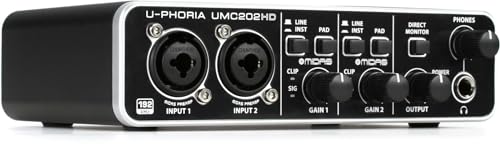
Check Latest Price on Amazon4. Behringer UMC202HD Audiophile 2x2, 24-Bit/192 kHz USB Audio Interface with Midas Mic Preamplifiers | For Recording Microphones and Instruments
The UMC202HD is a compact, metal-chassis audio interface with two Midas mic preamps and high-resolution converters. It gives holiday hosts a cost-effective way to connect XLR mics like the FIFINE K688 and monitor with near-zero latency for group recordings.
Key Specs
- 2x2 USB 2.0 interface; 24-bit/192 kHz converters
- Two Midas-designed mic preamps with +48V phantom power
- Direct monitoring and powerful headphone output
- Impact-resistant metal chassis for roadworthy use
Pros
- Clean mic preamps and good audio fidelity for the price
- Straightforward, plug-and-play operation for most DAWs
- Rugged build that suits mobile setups
Cons
- Some users report intermittent noise or crackling in certain setups
- USB 2.0 connectivity is not the newest bus standard
Best For: Dual-mic setups and small multi-guest sessions
Check Latest Price on Amazon5. Logitech G Pro X SE Wired Gaming Headset with Microphone: Detachable Mic, DTS Headphone:X 7.1, Memory Foam Ear Pads, 50 mm Drivers, USB DAC Incl. - Black
The Logitech G Pro X SE is a premium headset that pairs a detachable, software-enhanced microphone with comfortable memory-foam ear pads and a USB DAC. It’s an excellent one-device choice for virtual reunions where convenience and reliable monitoring matter more than standalone mic tonal nuance.
Key Specs
- Detachable 6mm mic with Blue VO!CE processing
- USB external DAC and DTS Headphone:X 7.1 support
- PRO-G 50 mm drivers and memory foam ear pads
- Durable aluminum fork and steel headband construction
Pros
- All-in-one convenience: great monitoring + decent voice capture
- Comfortable for multi-hour calls and recordings
- USB DAC offers direct EQ and profile storage
Cons
- Some buyers report durability or mic failures after months of use
- Mic and sound quality may not match dedicated studio mics for podcasting
Best For: Hosts who need an all-in-one mic + headphone solution
Check Latest Price on Amazon6. PreSonus AudioBox 96 25th Anniversary USB Audio Interface with Studio One Artist DAW Recording Software
The AudioBox 96 offers two Class-A mic preamps, 24-bit/96 kHz recording, and a bundled Studio One Artist DAW — a great premium interface for a polished holiday podcast with multi-track recording. It's bus-powered for portability and built with a steel chassis aimed at reliable use.
Key Specs
- Two Class-A mic preamps; 24-bit/96 kHz converters
- Bus-powered USB 2.0; lightweight steel chassis
- Mixer control for zero-latency monitoring; loud headphone out
- Includes Studio One Artist and plugin suite
Pros
- High-quality preamps and professional software bundle
- Portable and easy to integrate with Macs, PCs, and iPads
- Excellent monitoring controls for live sessions
Cons
- A few users report noise or reliability issues in long-term use
- Not the cheapest option for simple single-mic setups
Best For: Creators who want robust software and mobile recording
Check Latest Price on Amazon7. TONOR Dynamic Microphone, XLR/USB Microphone for Podcast, Recording, Streaming, Gaming, XLR Cardioid Studio Mic with Quick Mute, 3.5mm Headphone Jack, Volume Control, TD510
The TONOR TD510 delivers surprisingly warm and balanced vocals for a budget mic, with both USB and XLR outputs, built-in pop filter, and headphone monitoring. Users praise its value and easy setup, making it a solid entry choice for holiday calls and basic podcast episodes.
Key Specs
- Frequency response 50 Hz–14 kHz; Max SPL 110 dB
- Signal-to-noise ratio around 95 dB; cardioid pattern
- USB and XLR outputs; 3.5mm headphone monitoring
- Metal shell (zinc alloy) and built-in pop filter
Pros
- Great value for clear vocal capture out of the box
- Solid build materials and easy plug-and-play setup
- Good noise suppression for busy home environments
Cons
- Some users report functionality issues after extended use
- Lower maximum SPL and dynamic range versus higher-tier mics
Best For: Budget-minded hosts and first-time podcasters
Check Latest Price on Amazon8. TONOR Dynamic Microphone, XLR/USB Microphone for Podcast, Recording, Streaming, Gaming, XLR Cardioid Studio Mic with Quick Mute, 3.5mm Headphone Jack, Volume Control, Mic with Desktop Stand, TD520
The TONOR TD520 bundles a cardioid dynamic mic with an adjustable boom arm and desktop mount, making it a turnkey budget kit for holiday streaming and calls. It shares the TD510's strong value signals — clear voice, easy setup, and build that punches above its price.
Key Specs
- Cardioid dynamic capsule; 50 Hz–14 kHz frequency range
- USB and XLR outputs; 3.5mm headphone jack for monitoring
- Included adjustable boom arm and desktop stand
- Built-in noise reduction tech and pop filter
Pros
- Complete kit with boom arm ideal for desktop hosting
- Good voice clarity and simple controls for beginners
- Affordable and easy to deploy
Cons
- Some buyers report inconsistent long-term functionality
- Build and durability can be hit-or-miss compared with pricier models
Best For: Home hosts who want an all-in-one mic kit
Check Latest Price on AmazonWhich One Should You Choose?
If budget is tight → choose the TONOR TD510 or TD520 kit for plug-and-play simplicity and great value. If you want the easiest upgrade path and the best balance of warm sound and flexibility → pick the FIFINE Dynamic Microphone (Amplitank K688, B0B8SNVK5K) and add the Behringer UMC202HD for multi-mic recording. If you need an all-in-one monitoring and voice solution for lots of video calls → the Logitech G Pro X SE headset is the quickest, premium convenience choice. For recording-focused creators who want bundled software and professional preamps → the PreSonus AudioBox 96 is the stronger premium interface option.
Best for Specific Scenarios
- Solo host holiday podcast: FIFINE K688 because its USB plug-and-play plus onboard monitoring gives warm, low-noise vocals fast.
- Family virtual reunion with many listeners: Logitech G Pro X SE because the headset provides easy monitoring, clear voice, and comfort for long calls.
- Multi-guest recorded episode: Behringer UMC202HD + two XLR mics (FIFINE or similar) because the interface supports multiple mic inputs and direct monitoring for clean multi-track sessions.
Frequently Asked Questions
Do I need an audio interface or is a USB mic enough?
If you’re recording a single host or just doing live family calls, a USB mic is usually enough and fastest to set up. Choose an audio interface (XLR) when you want multiple mic channels, better preamps, lower noise floor, or the option to swap mics and expand your kit.
How can I reduce background noise during a virtual reunion?
Use a cardioid dynamic mic placed close to the mouth, enable any onboard noise- or gating features, monitor with headphones so you don’t get echo, and reduce room reflections with soft furnishings. For serious reduction, pair an XLR mic with a decent preamp/interface and use a pop filter or windscreen.
Which is better for quick setups — a headset mic or a dedicated microphone?
A headset with a good detachable mic (like the Logitech G Pro X SE) is fastest for instant calls and ensures consistent mic distance. Dedicated mics (FIFINE, TONOR) typically offer a warmer, more professional sound for recordings and podcasts but require positioning and possibly an interface.
How We Selected These Products
Our recommendations are based on data-driven analysis: we evaluated 155229+ products across 23916+ brands using a composite scoring system that weighs rating (40%), review volume (30%), price value (20%), and demand signals (10%). Every product is ranked by data, not opinions.
Last updated: November 08, 2026
As an Amazon Associate we earn from qualifying purchases at no extra cost to you. Full disclosure.
GearLark Score is our editorial ranking based on a composite analysis of product quality, value, and verified customer sentiment. Click through to Amazon for current pricing, availability, and live customer reviews.